Eastern Wisdom, Decoded
Guardian stars, Bazi and auspicious-date basics — millennia of metaphysics, told for today.
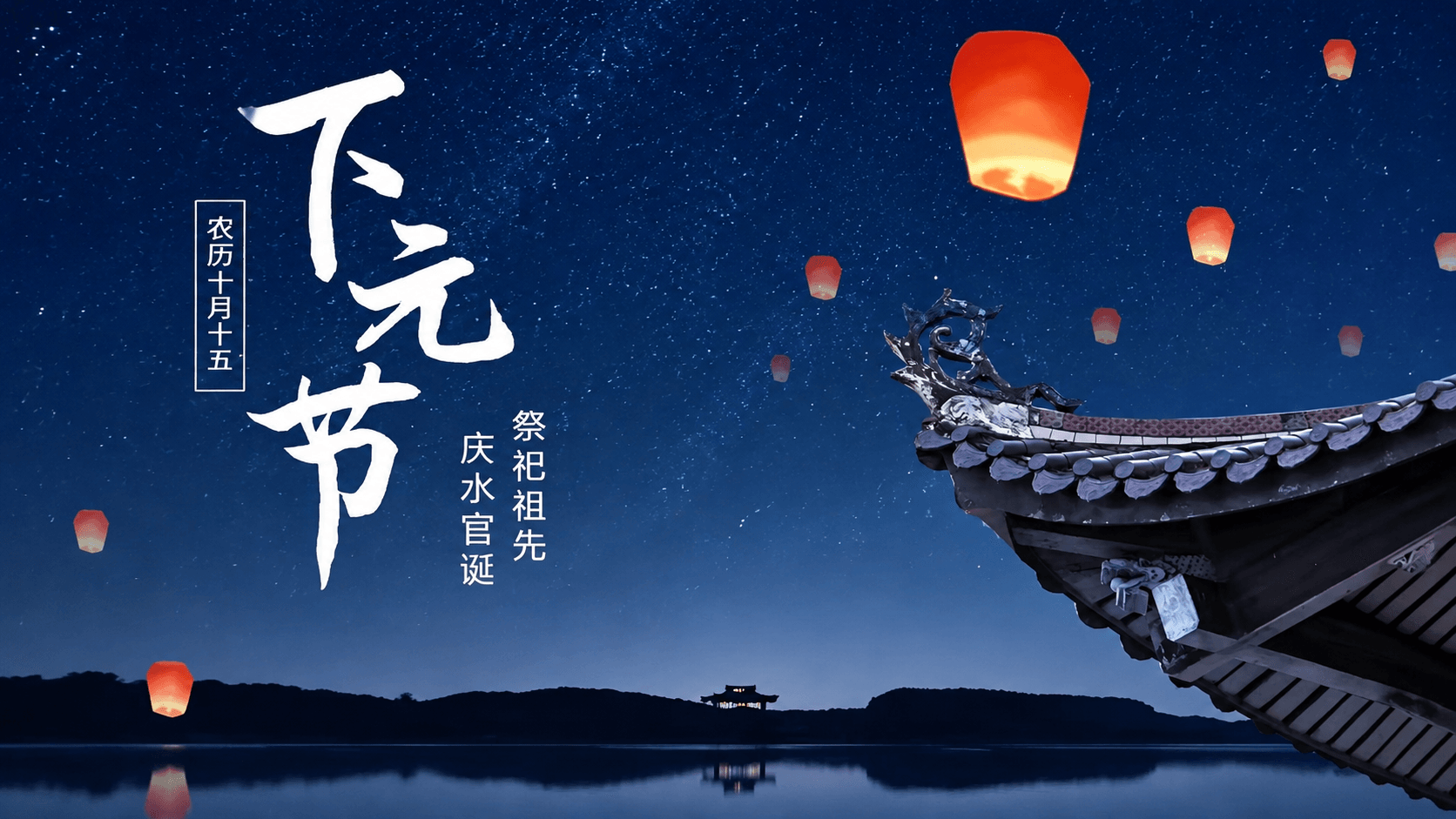
The Xiayuan Festival: Remember — one place not to go, two things not to do, three foods to eat, and four taboos to observe!
Ancient people arranged seasonal festivals with ingenious ideas, emphasizing symmetry and correspondence. The Third Day of the Third Lunar Month in the first half of the year matches the Ninth Day of the Ninth Lunar Month in the second half; the Three Origin Festivals follow the same rule. The Shangyuan Festival falls on the 15th day of the first lunar month, the Zhongyuan Festival on the 15th day of the seventh lunar month, and the Xiayuan Festival on the 15th day of the tenth lunar month. These three origin festivals correspond to one another, each carrying profound meanings. One origin of the Xiayuan Festival is closely linked to Taoism. Taoism recognizes the Three Officials: the Heavenly Official, the Earthly Official and the Water Official. It states that the Heavenly Official of Shangyuan, imbued with nine qi, grants blessings; the Earthly Official of Zhongyuan, imbued with seven qi, pardons sins; the Water Official of Xiayuan, imbued with five qi, relieves misfortunes. The birthdays of the Three Officials are respectively the 15th day of the first lunar month, the 15th day of the seventh lunar month and the 15th day of the tenth lunar month, corresponding to the Heavenly Official granting blessings on the 15th day of the first lunar month, the Earthly Official pardoning sins on the 15th day of the seventh lunar month, and the Water Official relieving misfortunes on the 15th day of the tenth lunar month. On this day, there is a folk custom known as "one thing not to do away from home, two things not to undertake, three kinds of food to eat, and four taboos to observe", representing life wisdom passed down from generation to generation.

Must-read for praying at Taoist temples! Many people have been doing it wrong for years
Burning incense for blessings lies in sincerity and proper etiquette. When troubled by worldly cares, we often seek a peaceful sacred place to burn incense and calm our minds at a Taoist temple. Wispy smoke curls around the halls amid the solemnity of the temple grounds. As a place of cultivation, it follows a set of ancient rituals. Many mistakenly believe that Taoism advocates unrestrained freedom and that incense-burning can be done casually, so they inadvertently commit breaches of etiquette. The following twenty taboos and customs for Taoist temple visits set the basic rules for incense offering. Many devout believers have practiced them incorrectly for a long time, and the last two are especially crucial.
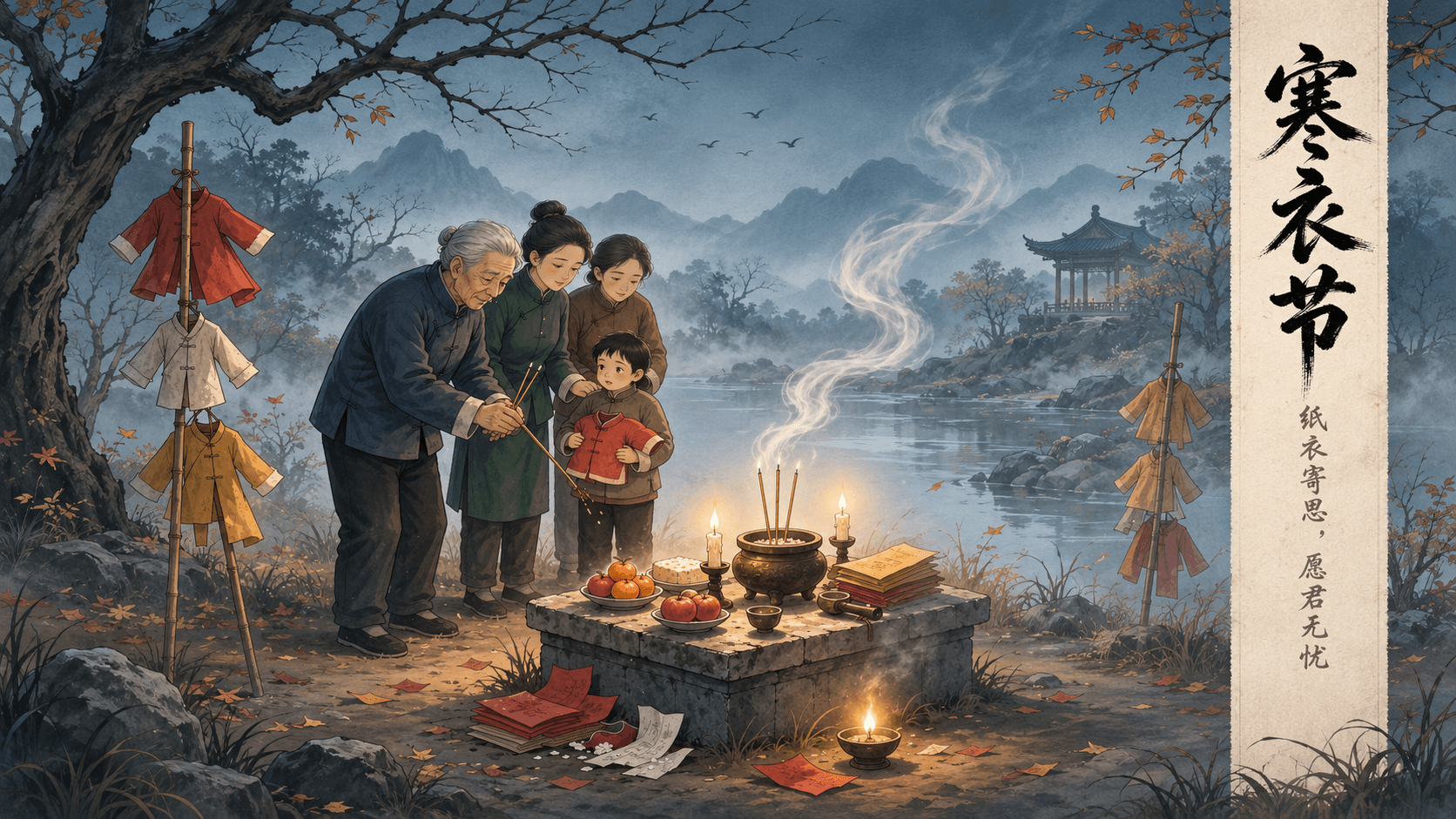
The Cold Clothes Festival on the First Day of the Tenth Lunar Month | Sending a paper-made cold garment, remembering departed loved ones
As time moves into the first month of winter, the north wind brings cold, frost clings to plants and trees, and people one after another put on extra clothes to keep warm. The first day of the tenth lunar month is the Cold Clothes Festival in folk tradition. Together with the Qingming Festival and the Ghost Festival, it forms the three major festivals for ancestor worship. In Taoism, this day is the Folk New Year Laba, one of the Five La Days, an important occasion to commemorate ancestors, deliver the souls of the departed, hold fasts and perform good deeds. A piece of cold clothing carries remembrance, and a wisp of incense connects the mortal world and the netherworld. The core of the Cold Clothes Festival lies in the millennium-old Taoist inheritance that "filial piety is the foundation of the Dao; saving others is saving oneself".
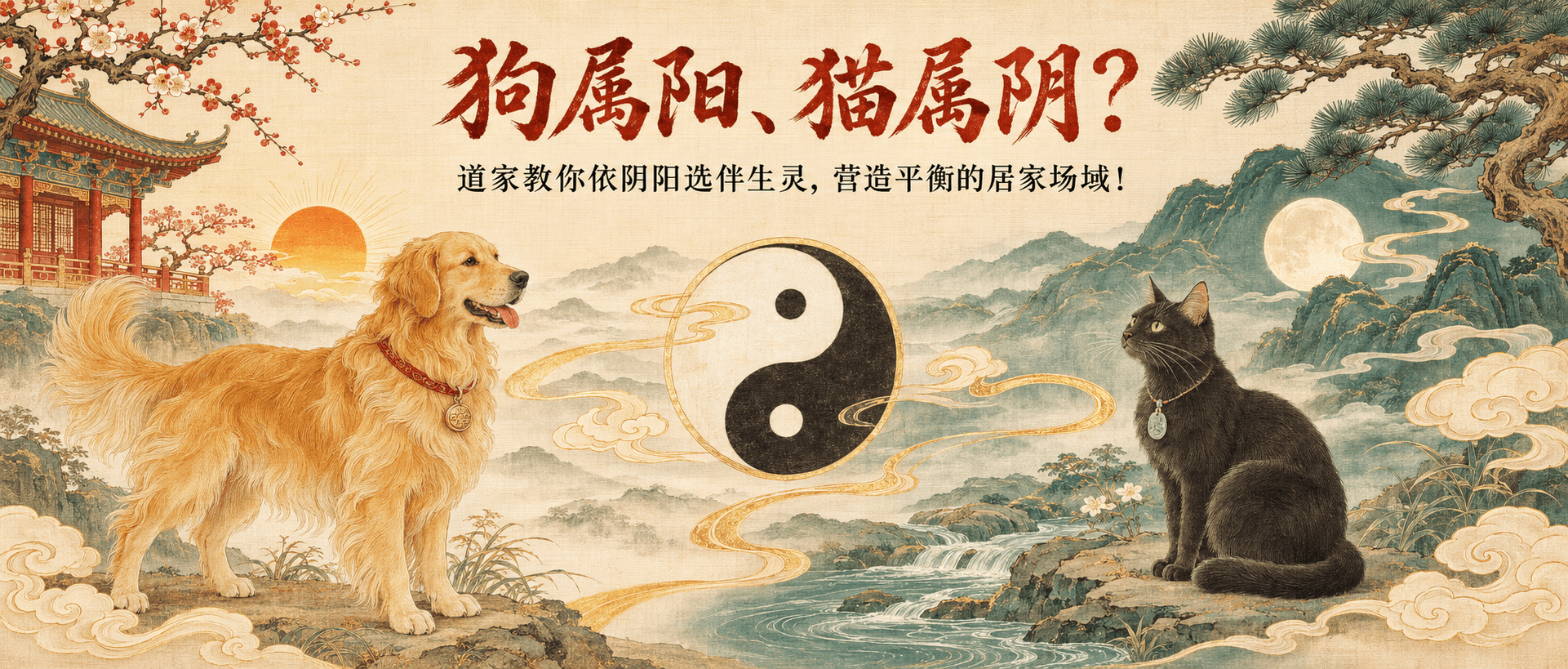
Why are dogs associated with Yang and cats with Yin? The Taoist principle of companion spirits for balancing household Qi
As Taoism states: All things carry yin and embrace yang; through the interplay of vital energy, harmony is achieved. Heaven and earth are permeated with vital vapors, and all things are nurtured through the transformation of yin and yang. Every living being in the world is born endowed with the two energies of yin and yang. Birds, beasts, aquatic creatures, reptiles and insects are no exception. Each beast spirit inherits innate Dao energy. Depending on its rhythm of activity, inherent endowment, habitat, form and habits, it naturally possesses a primal energy field of pure yang, pure yin, or a balanced blend of yin and yang. From the perspective of Daoist teachings, rearing living creatures is not a pastime for amusement. Instead, it means living alongside beast spirits, drawing on yin and yang energies to harmonize the energy of one’s dwelling and nourish body and mind. To understand the principle of yin and yang within beast spirits and raise them in accordance with their nature is to practice the Dao of following nature, cultivating the mind and stabilizing one’s home amid ordinary daily life.